
Letter to ben proudfoot (continued)
Note: For even easier reading, a PDF version of the below can be found here: Breakwater Letter
Value #1: Protection
Before I knew what the name Breakwater meant to you, I could tell you were dedicated to the protection of both craft and people.
Protection of Craft
I was pleasantly surprised to learn that your interviews take up to a minimum of eight hours. You sit down, slow down and consider a person. You’re not worried about whether clients will pay for that kind of investment, or if your interviewees might see you as a drawn-out inconvenience. You’ve discovered that great storytelling takes time, and you boldly ask for and guard this resource.
As I dug deeper into your films, I began to notice a recurring theme: you don’t just preserve your own way of craft—you do the same for others through the very things you make. Ink & paper, Rust, The Ox and The Last Repair Shop—to name a few—all celebrate and support craftsmen, reminding us that timeworn methods still carry timeless value.
Master woodworker Eric Hollenbeck explains it best:
“I liken it to the train of society going down the track. As it goes, it picks up information. For some reason, the train can only hold so much, and the guy on the caboose is throwing off information as fast as he can to make room for the new. The problem is, the information we’re throwing off took us 25,000 years to glean.”
Our rushed, digital capitalist society can say we don’t have eight hours for an interview. But we do. What we don’t have is the 25,000 years it took to form the art of storytelling in the first place.
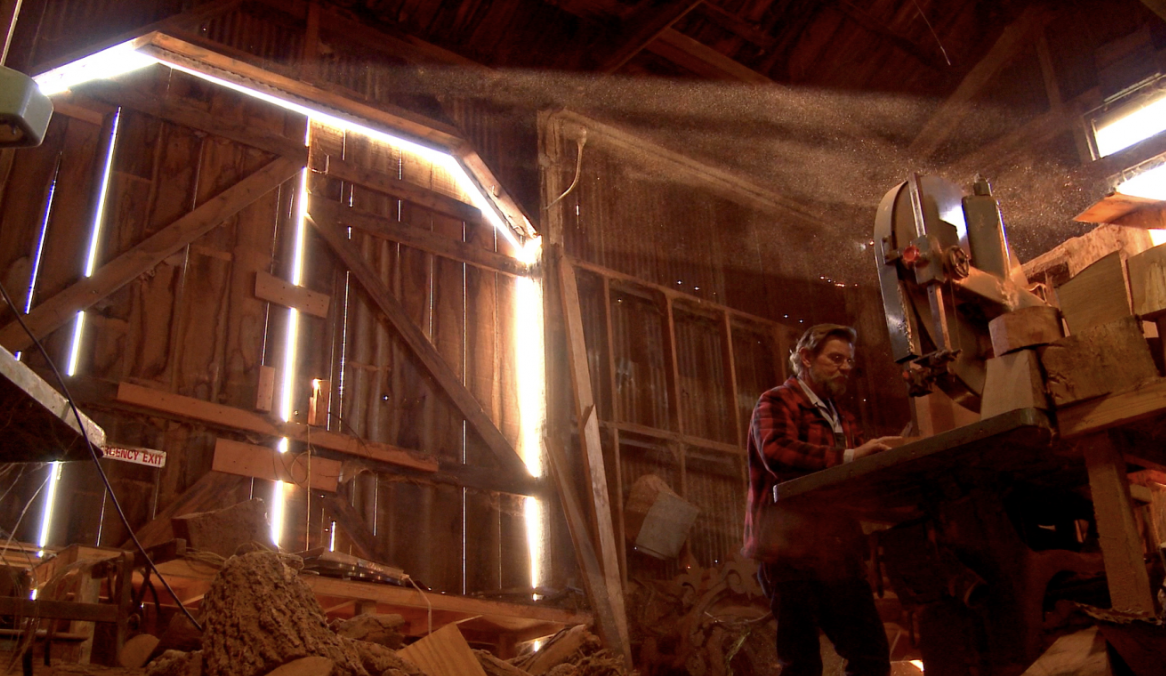
Eric Hollenbeck, Source: “The Ox” via Breakwater Studios
Protection of People
Not only do you have regard for the old in craftsmanship, you honor the old in people as well, even when they themselves do not recognize its significance. You say, “Storytelling is all about the old. It’s about what happened before that led to this moment. Everyone is scared about the past in Silicon Valley, you know, ‘I’m a fresh-faced-whatever.’ And it’s like, actually, that’s where all the value is—in experience and wisdom and its application.”
When someone shows emotion in an interview, you want to lean in, but they may not want to go there with you. I love that in these moments, you may turn off the camera and say, “We’ve agreed to tell the truth and there’s something here. We’ve gone to all this effort, you’ve lived your life. If you don’t like it and we need to cut it out later, okay. But will you go on this journey with me?”
You guide people to reveal the past they want to cover because it doesn’t render them worthless. But, you also protect your relationship with them, promising to withdraw the emotional thread if they are unwilling. As a fellow storyteller, I recognize your offered sacrifice. Emotion is the lifeblood of any story. Nevertheless, in choosing the person, you choose the better part.
Self-Protection
I am a freelancer today because of my need for protection.
In 2021, my career began with an internship at Phoenix Children’s Foundation, an organization that fundraises for a nationally recognized pediatric healthcare system. I quickly became contracted after their social media manager left, taking on an interim role so they could hire a replacement. Requests poured in from every department: post this photo, caption it like this. My role was to execute.
Most of these requests were about brands. Images of employees holding oversized checks shouting the amount their company gave saturated our accounts. Engagement was low so I began to advocate. I wanted to transform our channels into a place of human-centric storytelling.
When I voiced my concerns, I was told these post types were line items on business deals, agreements they weren’t willing to re-design. I could create additional storytelling content, but I could not upend the status quo. It frustrated me that agreements with brands (ones that weren’t helping the brand that much anyways) took precedence over the power of story.
Like Ilon Specht, I poured my emotional energy into creating something better. When our new social teammate was hired, I began to storytell. For the next four years, I had the privilege of traveling to homes and hospitals across the state, as I captured stories about Phoenix Children’s donors and the families they serve.
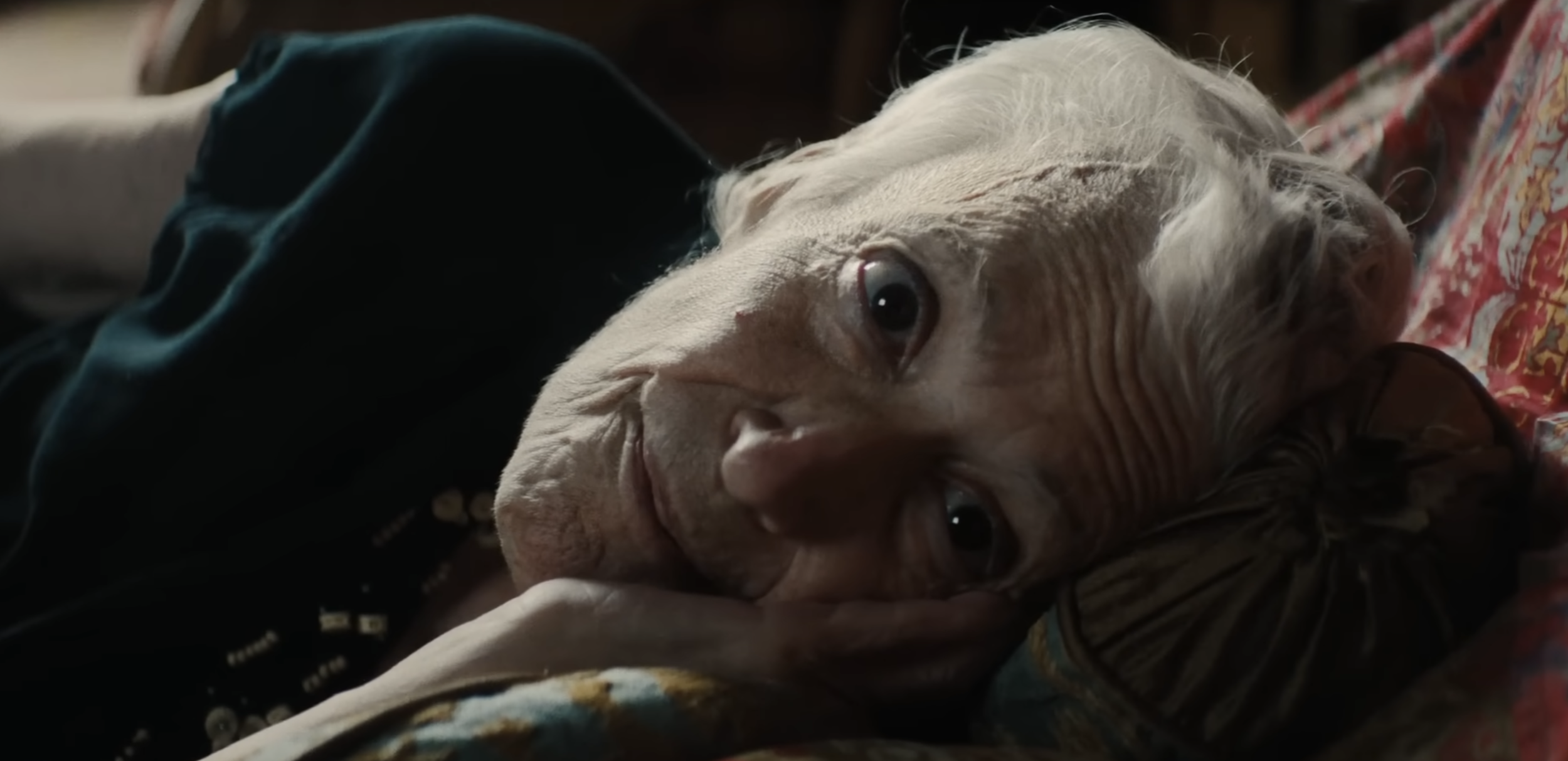
Ilon Specht, Source: “The Final Copy of Ilon Specht” via Breakwater Studios
And it worked. After launch, our storytelling web page—Moments—surpassed its predecessor’s annual traffic in just two months. Feature articles I wrote and photo stories I captured repeatedly led to the largest spikes in web traffic the Foundation had seen to date. My work also became a key stewardship tool used to strengthen lasting relationships with donors who had given over $75K.
Further along on my journey, after completing my coursework in The Art of Documentary, I knew I wanted to focus solely on filmmaking. My ability to tell a good story reigned true in this medium as well.
Encouraging reviews from senior philanthropy officers at Phoenix Children’s Foundation accompanied the films I produced. One officer, Greg Boone, said, “Krystiana creates the kind of content I need to engage potential donors. Her documentaries are worth far more to our organization than high-end commercials.”
Another officer, Jana Earnest, was so pleased with a film I created for her department that she insisted I submit it to the Emmys. Much to my surprise, it won.
Even more meaningful was the feedback I received from those who entrusted their life stories to me. Lindsay, the protagonist of my most recent short doc, said, “The way you edited the film to tell my son’s story is seriously incredible. I can’t tell you how much it means to me.”
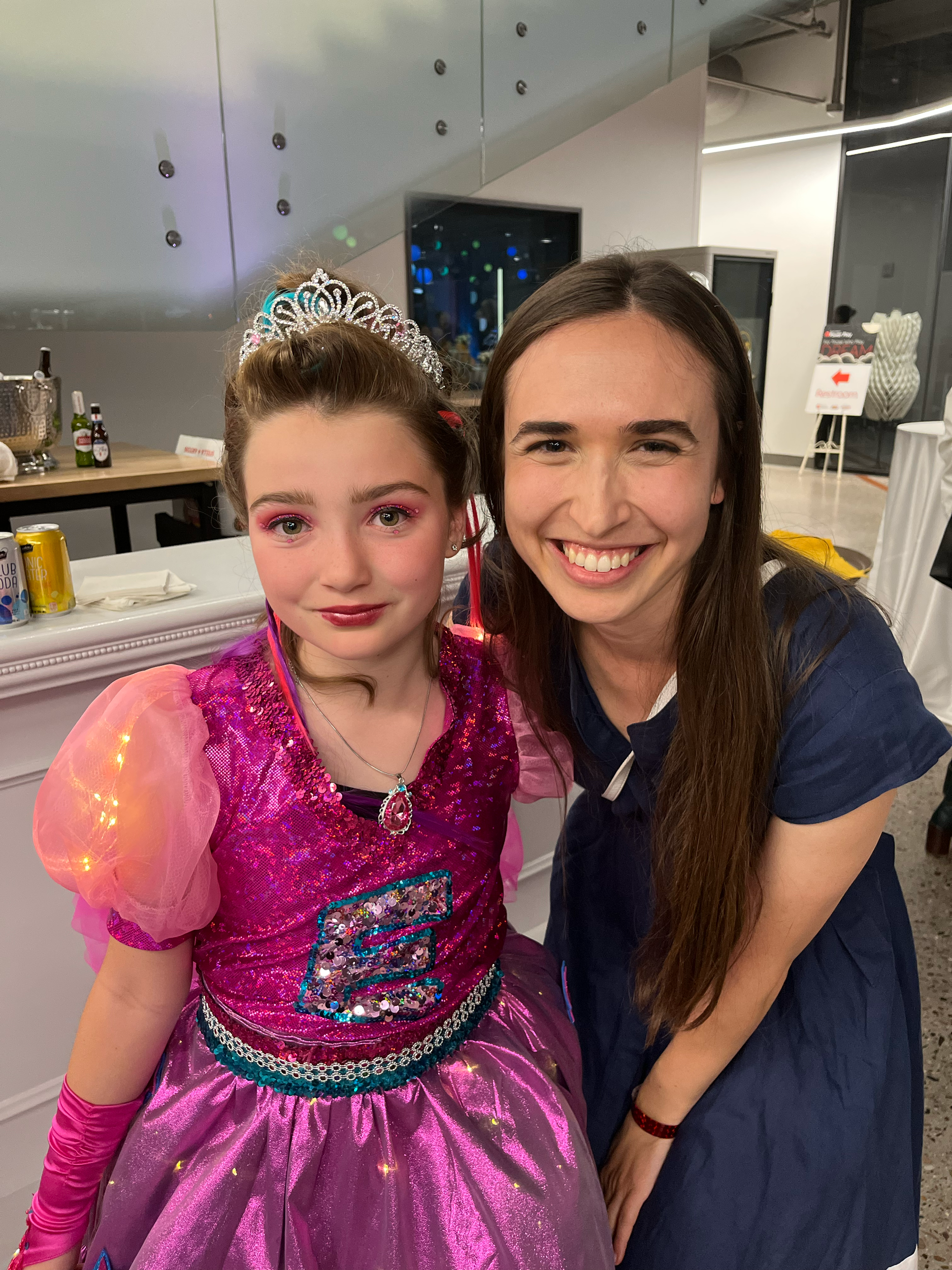
Posing with Ellie, the subject of the first film I directed at Phoenix Children’s Foundation
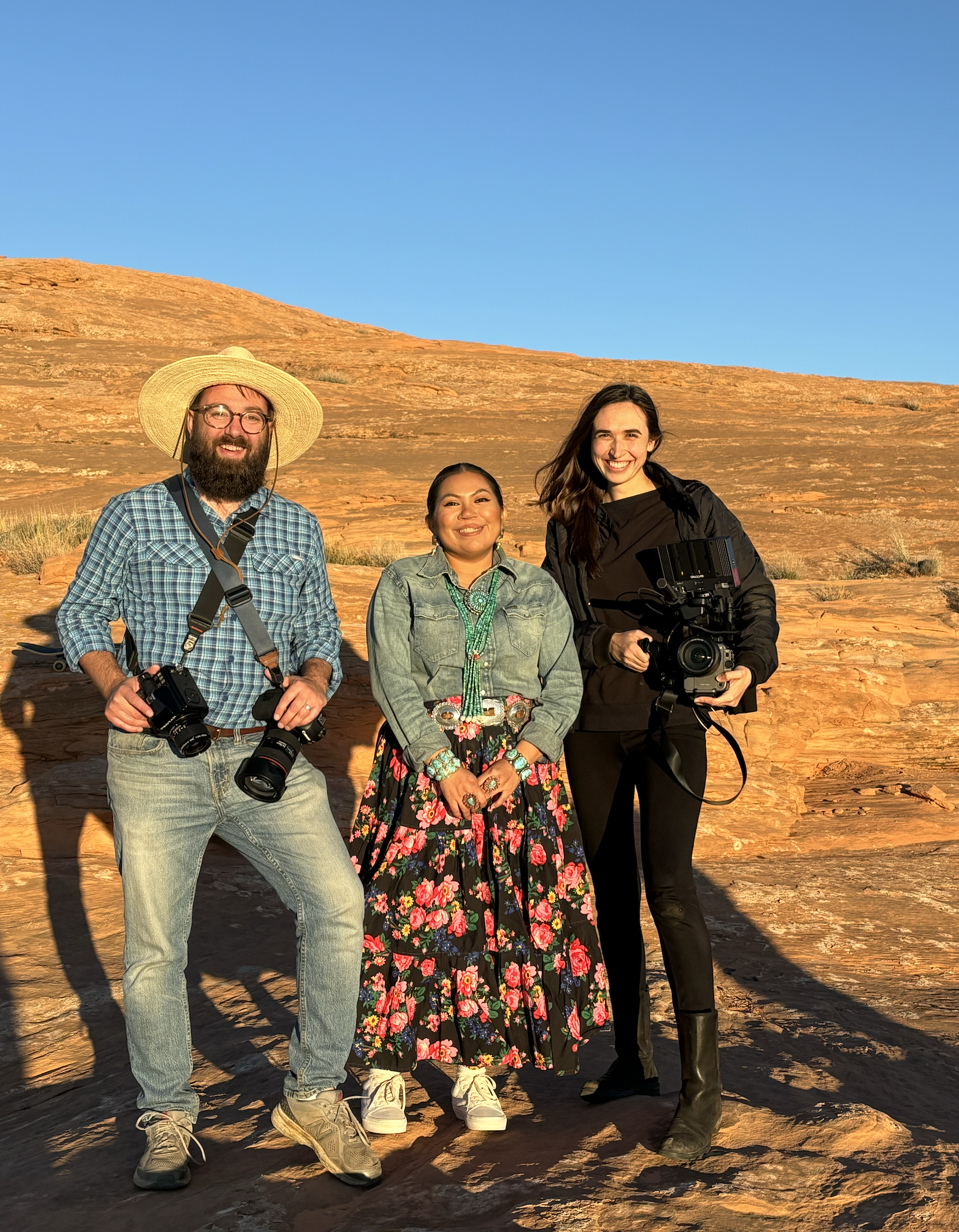
David Hildreth, filmmaker at Phoenix Children’s Foundation, and I posing with Naomi Glasses, a donor and former patient at Phoenix Children’s
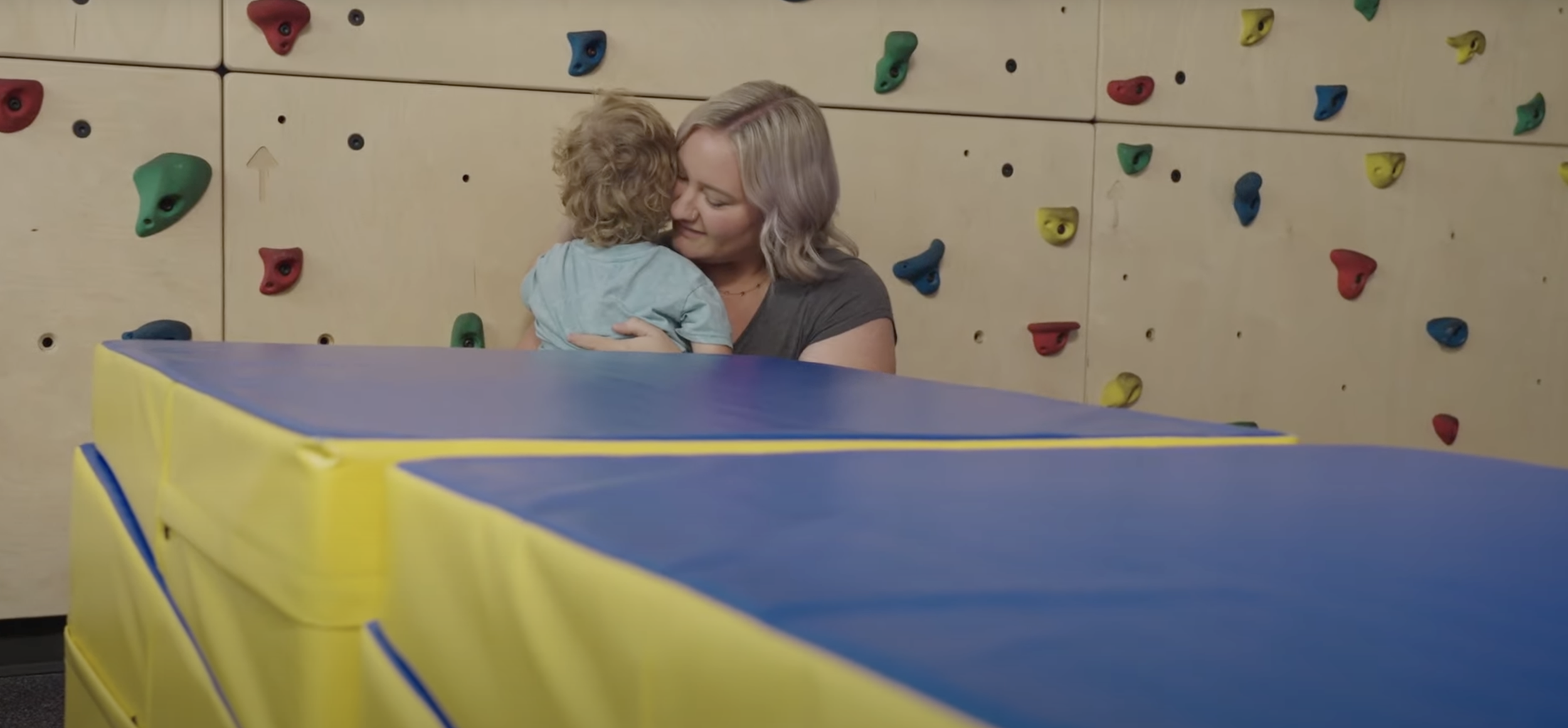
Lindsay and Madden, the subjects of my short documentary “Madden: Reframing the Future,” created in partnership with Phoenix Children’s Foundation
When talk of a full-time position arose, I knew my answer was no, and it remained so. Freelancing gave me a superpower: the ability to refrain from working on projects that served brands instead of people. I could safeguard my energy, passion and process while staying true to my beliefs. But fighting to protect can come at a cost. In my case, I lost the growth that comes from belonging to a steady work community.
Your interviewee, Kim Hill, lost something similar. But she didn’t lose her voice or dignity for the sake of making music in an ill-constructed industry. And, she didn’t lose the purity of her craft, her brand of hip hop, to the pressure of commercialization.
In May, Kim’s words of wisdom came to me in a different form. At the time, I was a camera PA on a feature film set, studying under the mentorship of a commercial DP. My intention in learning from him was twofold: 1) I wanted to make the weakest part of my process—my cinematography—a strength, and 2) I thought I needed to go commercial to make a living in film.
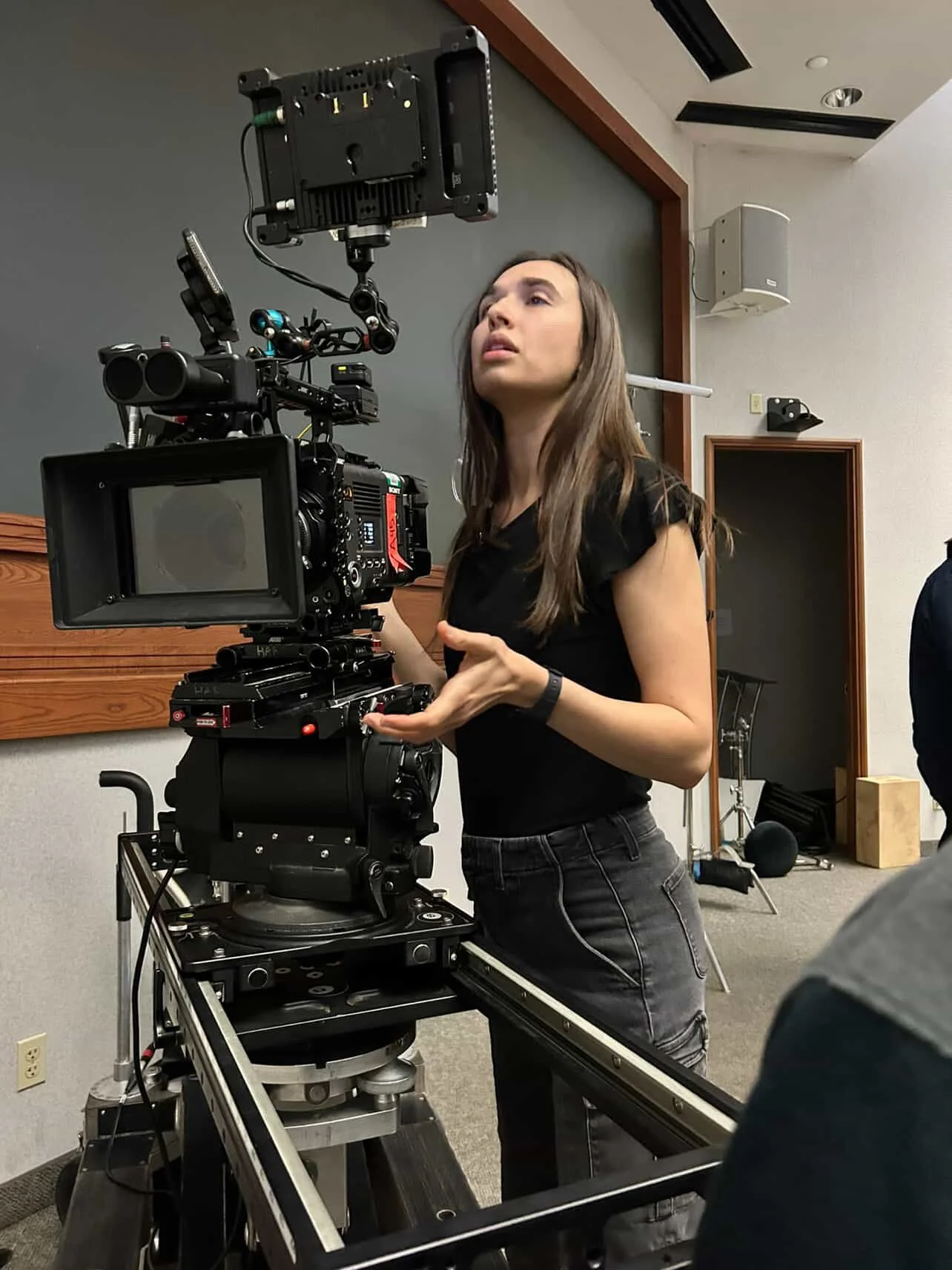
Learning how to balance a camera on a feature film set in May 2025
When the shoot wrapped, I came home and got quiet. A thought surfaced: “Focus on who you are created to be.” In other words: “Stop. Where’s your voice?”
If I carried on this path, I would spend the next five years striving to become a commercial DP in addition to a documentary filmmaker. I knew the talents I’d already nurtured wouldn’t be used in their fullness—they’d be divided, even hidden at times.
Stop. Where’s your voice?
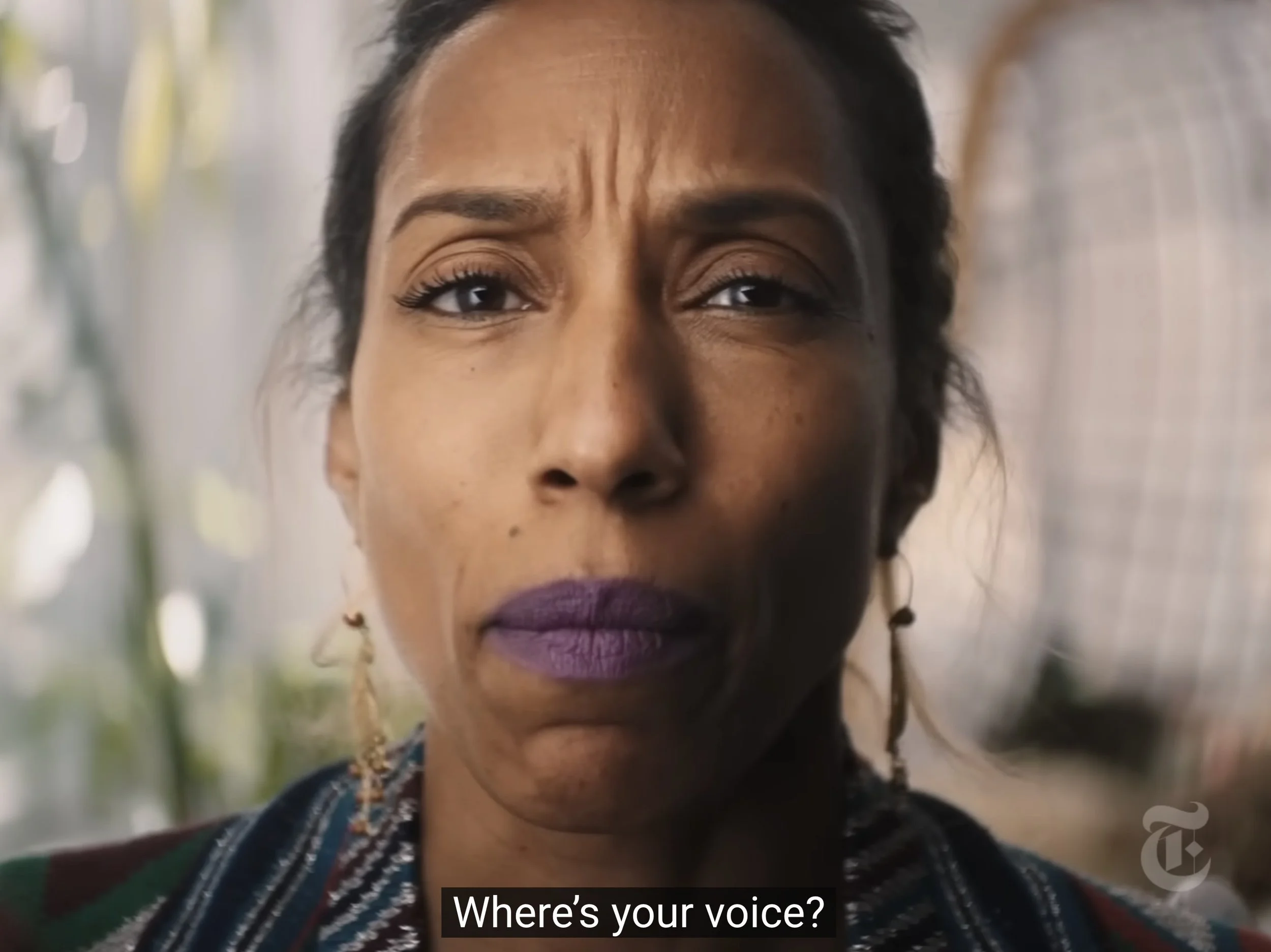
Kim Hill, Source: “Kim I Am” via Breakwater Studios
This thought opened the door to the room of self-knowledge. What was my voice in this industry? Did I trust my past would tell me?
After a busy June, I spent my July free time in this room, looking at my history through a magnifying glass. I examined key memories dating back to childhood, drawing out their significance in context of the present day. I listed the people who have influenced me and found patterns in the traits they share. This remembering helped me determine that my path moving forward is actually narrow, and it gave me the security necessary to make the magnanimous decision to stay on it.
Cary Ocon summarizes this well: “When all the other occupations start dying off, it’s like, where can you still shine? You want to succeed, and there’s only one arena you have to succeed in.”
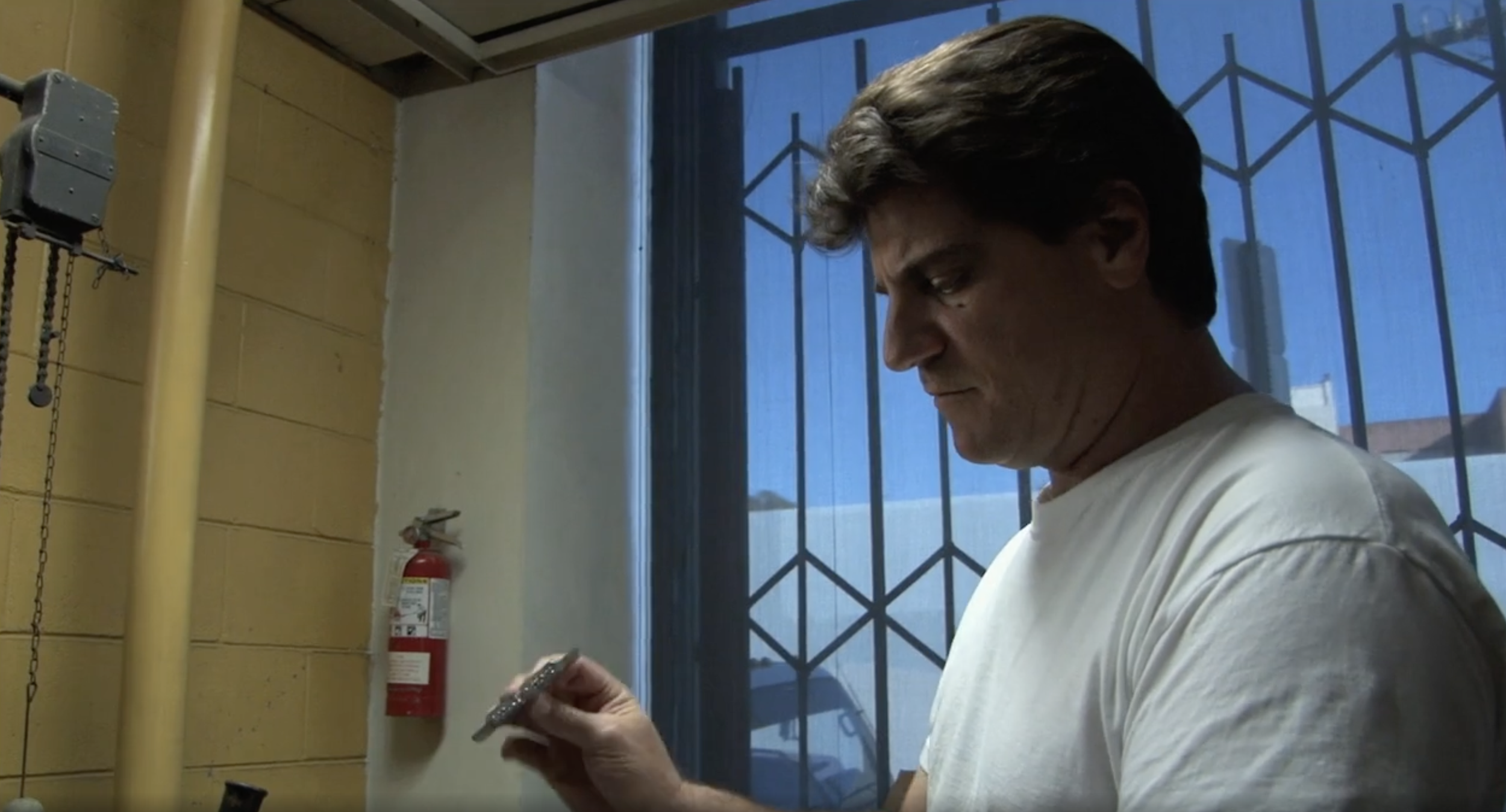
Cary Ocon, Source: “ink & paper” via Breakwater Studios
I have since ceased the mentorship. I am made for documentary storytelling, and I am made well. I have found my arena, and now, as Theodore Roosevelt advises in his speech Citizenship in a Republic, it’s time to dare greatly in it.
Value #2: Bravery
Years ago, you found your arena. The success of your early work ink & paper and The Ox confirmed not only your talent, but also your belief in the power of short documentaries. This confidence in yourself and your unique style drove you to start Breakwater Studios.
But it couldn’t have been easy. Raised eyebrows and turned up noses marked the faces of those watching you from the sidelines. Your medium of choice had a reputation—it was the student format that didn’t make money. The “real”, successful artists were the ones making the 10-part docuseries.
When I watched The Ox, Hollenbeck reminded me of you. Life bent Hollenbeck, he didn’t fit, and so he built his own island he calls Blue Ox Millworks and Community School, a place for students who were kicked out elsewhere three times over. “I get these kids,” says Hollenbeck. “When you can’t fit in, you need some other way to fit in. That ain’t always pleasant.”
Perhaps you enjoyed the ambitious act of creating something yet to be. Perhaps, at times, it was unpleasant. Either way, you persevered—you married entrepreneurship with filmmaking so you could make it in an industry trying to keep you out. And I am most grateful you did. When no one is doing what you want to do out there, one can speculate, “Is it possible? ” I no longer have to wonder because Breakwater exists.
The Rest of My Story
Once my friend’s question that July day reminded me that inspiration is not a luxury, I began to research and compile a list of documentarians I planned to network with—most of whom lived in LA. Then the unexpected happened. My best friend suddenly needed to move, and she was headed to the City of Angels. An invitation was presented.
Two weeks later, I was in LA. It was a wild turn for my detailed, ever-prepared side. But I knew I’d need my friend as I navigated a new city, and my adventurous side longed to take a risk. As our friendship chats unfolded, we both came to the same conclusion: what we really needed to do was approach the person who inspired us most.
It seemed like the streets of LA were saying the same. Crosswalks here cut diagonally, letting me walk straight to my desired corner. Wall paintings at a nearby school encourage me to shoot for the stars. And a billboard reads “Boldly go,” the same guiding phrase featured on your website.
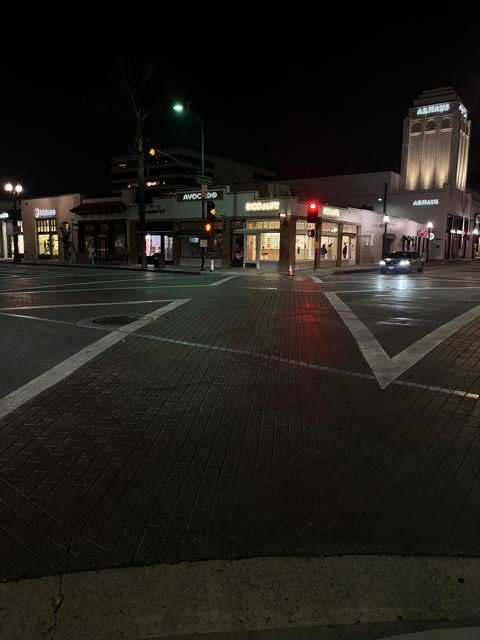
A diagonal crosswalk in Pasadena
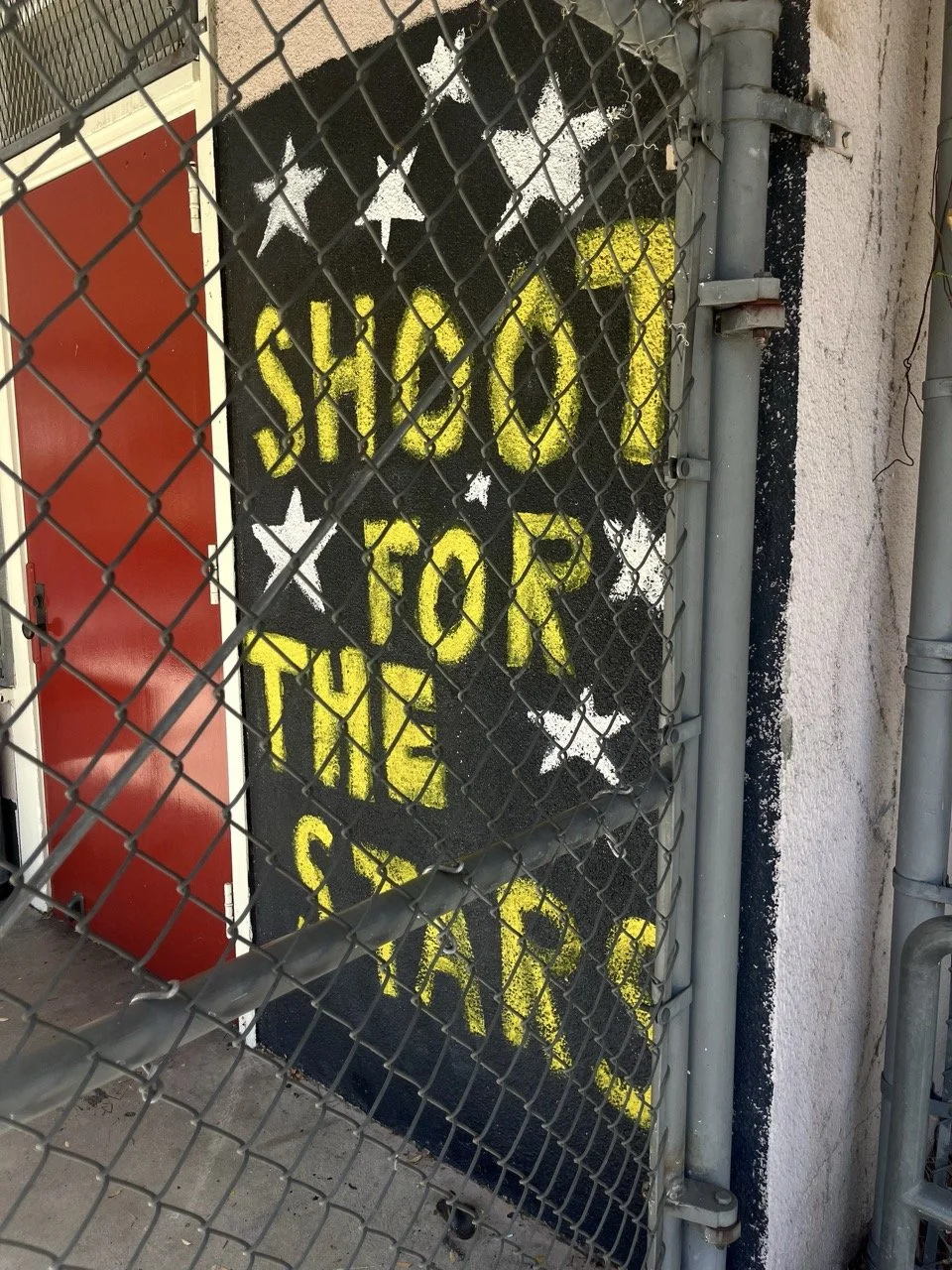
A chalkboard drawing at Toland Way Elementary in Highland Park
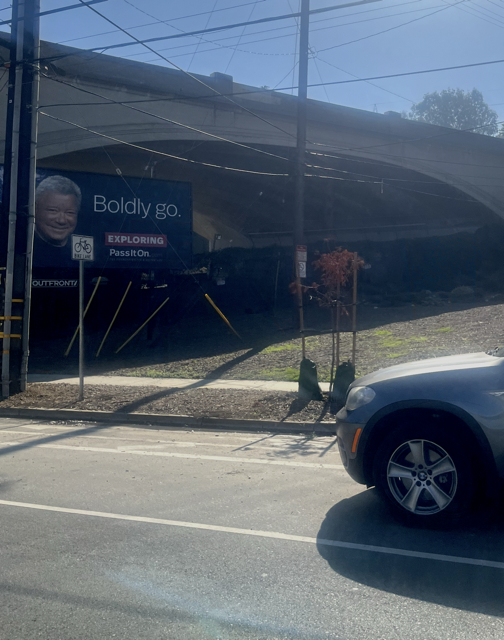
A billboard in Los Feliz reads “Boldly go,” the same guiding phrase on Breakwater’s website
My Ask
Mr. Proudfoot, I’m incredibly excited about what you’re doing and I feel compelled to be a part of it all. Specifically, I’d love to intern at Breakwater for up to two months. In this role, I’d like to be present by working, not by just observing—like the students at Hollenbeck’s shop did—they got to fit in by being themselves, by making something.
I acknowledge I’m proposing a position that isn’t currently offered, and I’m eager to share some ideas of how I could be most useful. That said, I think it would be best to start with a conversation, as you know your business needs far better than I do. Whatever you need, I am willing to help—and I will give you my best work.
In regards to timing, I’m available to support your team before the end of the year, or, if it’s preferable to wait until the new year, this works equally well on my end. As mentioned in my cover letter, I look forward to hearing from you and am thankful for your consideration.
Final Thoughts
When a seed grows into a tree, it becomes useful to humanity. It provides shade for people to rest under, and fruit to eat. Its wood can be crafted into incredible things—architectural marvels, musical instruments, paper for books, toys to help children imagine.
If I am accepted to work with your team, I hope to be like a tree. I want to stretch taller and open my arms wider—not only for my idealist self who cares about maturing into excellence, but even more so for others, by helping your team carry your vision of “wielding storytelling for good” forward.
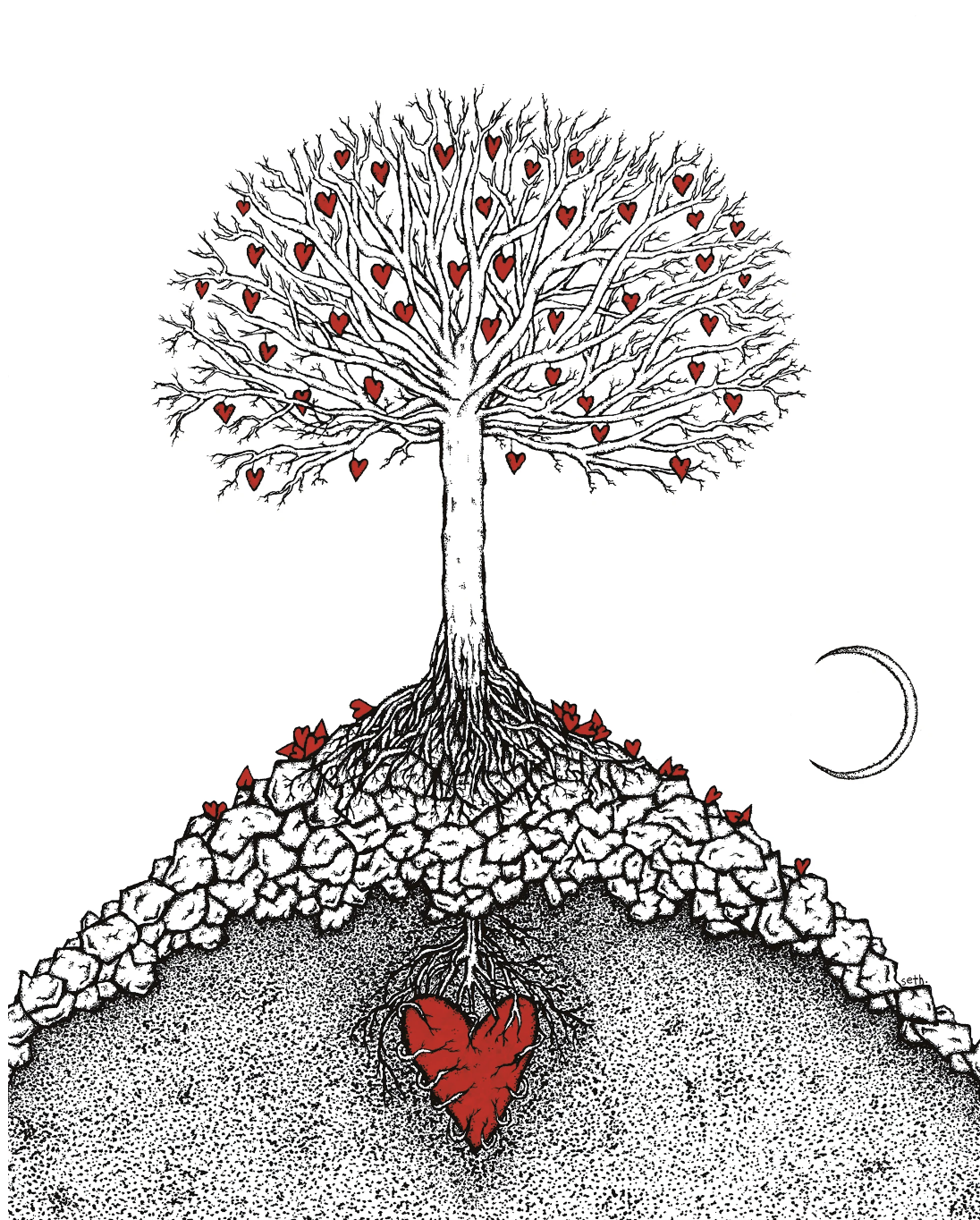
Source: “The Great Tree” via The Art of Seth
Thank you for taking the time to read my story, Mr. Proudfoot. And thank you for all you’ve done to pave the way for documentary filmmaking—our world is better for it.